
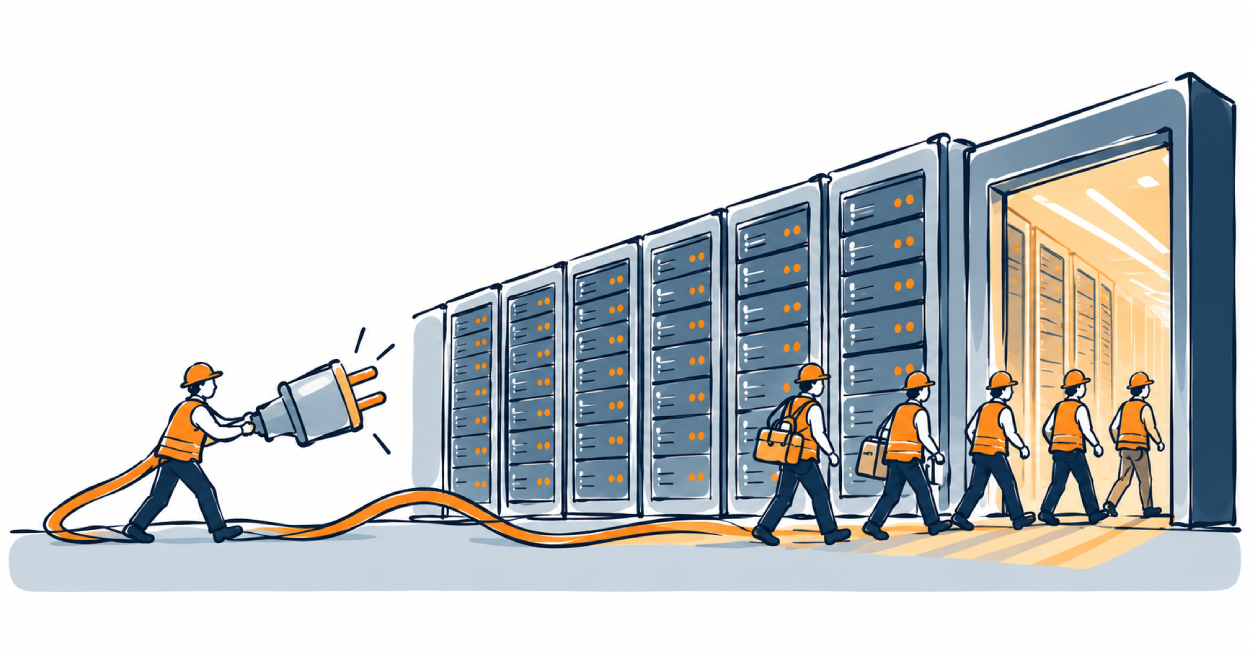
Billions of dollars are pouring into AI infrastructure. Neoclouds are racing to secure GPUs, power, land, and customers at a pace we’ve never seen in our industry. The ambition is extraordinary. But I have a question: Who’s going to build, deploy, and operate all this infrastructure? And perhaps more importantly, can these neocloud providers go it alone?
No, they cannot! At Ursus, we’re currently providing contract talent to three of the top five neocloud providers, (believe it or not there are about twenty neocloud providers today, history shows us not all will survive), giving us a firsthand view of both the tremendous opportunity and the very real challenges these companies face as they scale.
This infrastructure boom has a different feel and pace than previous technology cycles, and I’m old enough to have lived through three of them. This is a multi-pronged roll out; developing massive physical infrastructure, deploying increasingly complex technology, and assembling highly specialized workforces – technically skilled and trade laborers all at once. All while racing against aggressive timelines and enormous financial expectations.
Everyone seems confident they can raise the capital, secure the GPUs, and sign the contracts. But can they assemble the workforce to deliver on those promises?
Think about the economics. What happens when a billion-dollar data center is ready for commissioning, but the specialized engineers aren’t available? What does a 30-, 60-, or 90-day delay cost when GPUs are sitting idle and customers are waiting for capacity? And how many emerging neocloud providers can realistically afford to build the same permanent organizational infrastructure as AWS, Microsoft, or Google? Most can’t, nor should they.
I believe the winners in this next phase of AI infrastructure will rethink traditional workforce models entirely. They’ll build lean core teams, leverage highly specialized contract talent, and treat workforce strategy as a critical component of capital deployment, not an afterthought. The companies that figure this out will have a meaningful competitive advantage.
Because here’s the thing: You’ve raised billions and signed billion-dollar contracts. Impressive. But if you can’t turn those paper billions into operational, revenue-generating services, none of it matters. Your business fails, and all you’re left with are the headlines.
At Ursus, we’re fortunate to have a front-row seat to this transformation, and I’m convinced the talent equation will play a much bigger role in determining winners and losers than many people appreciate today.
Capital creates opportunity. Technology creates possibility. People make it operational.
#AIInfrastructure #Neocloud #DataCenters #TalentStrategy #FutureOfWork #ContingentLabor